Vegan Protein: Myths vs Facts
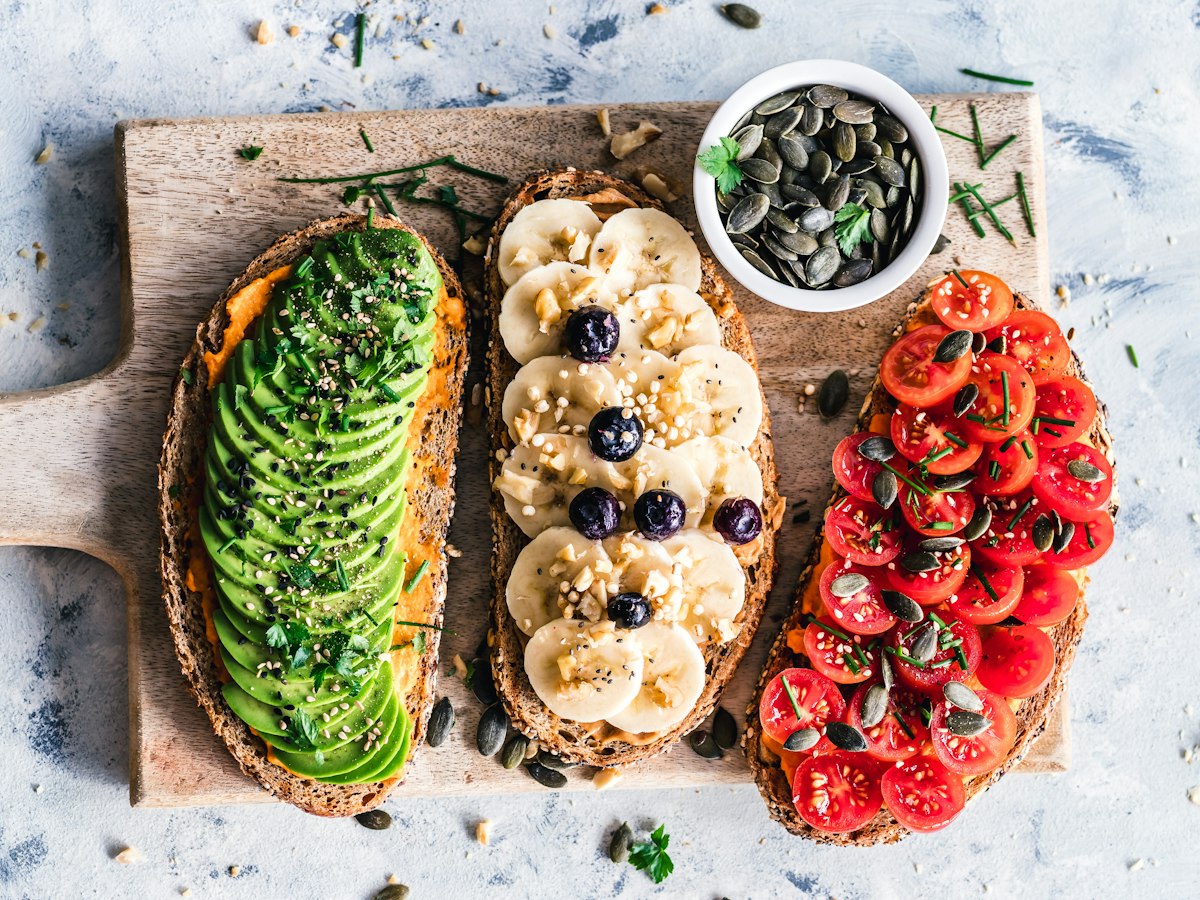
One of the first questions every vegan hears is some version of "but where do you get your protein?" It is asked by well-meaning relatives, gym bros, and sometimes even doctors who should know better. The good news is that answering it is straightforward, because plants are packed with protein. The better news is that understanding how plant protein actually works will make you a healthier, more confident vegan. Let us separate the myths from the facts.
Myth 1: You cannot get enough protein without meat
This is the most persistent myth, and it is simply wrong. Every whole plant food contains protein. A cup of cooked lentils gives you about 18 grams. A cup of chickpeas delivers around 15 grams. A block of firm tofu can pack 30 to 40 grams. Seitan, made from wheat gluten, is roughly 75 percent protein by weight, making it one of the most protein-dense foods on the planet, vegan or otherwise. If you eat enough calories from a varied plant-based diet, it is genuinely difficult to be protein deficient.
Myth 2: Plant proteins are "incomplete" and must be carefully combined
This idea comes from the concept of essential amino acids. Animal proteins contain all nine in ratios that match what your body needs, so they are called complete. Many individual plant foods are lower in one or two amino acids, which is where the "incomplete" label comes from. The old advice was that you had to combine grains and legumes at every meal to form a complete protein. Modern nutrition science has moved on. Your liver stores amino acids and pools them throughout the day, so as long as you eat a variety of protein-rich plant foods over 24 hours, your body assembles complete proteins on its own. You do not need to overthink food combining.
Myth 3: Vegans need huge amounts of protein to build muscle
Muscle building is about total protein, training, and recovery, not about the source. Studies show that as long as total protein intake is adequate, plant-based athletes gain muscle at the same rate as omnivores. A reasonable target for active vegans is 1.6 to 2.2 grams of protein per kilogram of body weight per day. That is very achievable with foods like tofu, tempeh, seitan, edamame, lentils, beans, peas, and higher-protein grains such as quinoa. A smoothie with soy milk and a scoop of plant protein powder can add 30 grams before you have even started cooking.
Myth 4: Plant protein is not absorbed as well
There is a grain of truth here. Some plant proteins are slightly less digestible than animal proteins, but the difference is small and easily closed. Cooking, soaking, fermenting, and sprouting all improve absorption. Tofu and tempeh are highly bioavailable. The real takeaway is to aim for the upper end of your protein target if you are very active, and to eat protein across meals rather than in one giant dinner.
The best vegan protein sources
Tofu and tempeh are the workhorses. Seitan is a powerhouse for anyone who tolerates gluten. Lentils and beans are cheap, shelf-stable, and rich in fibre alongside their protein. Edamame and whole soy foods are complete proteins. Peanuts and peanut butter, pumpkin seeds, hemp hearts, and almonds all contribute. Whole grains such as oats and quinoa add a surprising amount. And for convenience, a good plant protein powder makes hitting your numbers effortless on busy days.
A simple day of high-protein vegan eating
Breakfast might be a tofu scramble with spinach and toast, or oats made with soy milk and topped with hemp seeds. Lunch could be a grain bowl with a cup of lentils, roasted vegetables, and a tahini drizzle. Dinner might be seitan stir-fry with edamame and brown rice, or a chickpea curry. A snack of roasted chickpeas or a protein smoothie rounds it out. That day easily clears 100 grams of protein without any supplements.
The bottom line is that protein is a solved problem on a vegan diet. Eat enough food, eat a variety, include a few protein-rich staples every day, and the numbers take care of themselves. If you want recipes that make high-protein vegan eating genuinely exciting, our Protein Punk cookbook was written for exactly this. You can build every meal around plants and never look back.


