The Ultimate Vegan Baking Guide
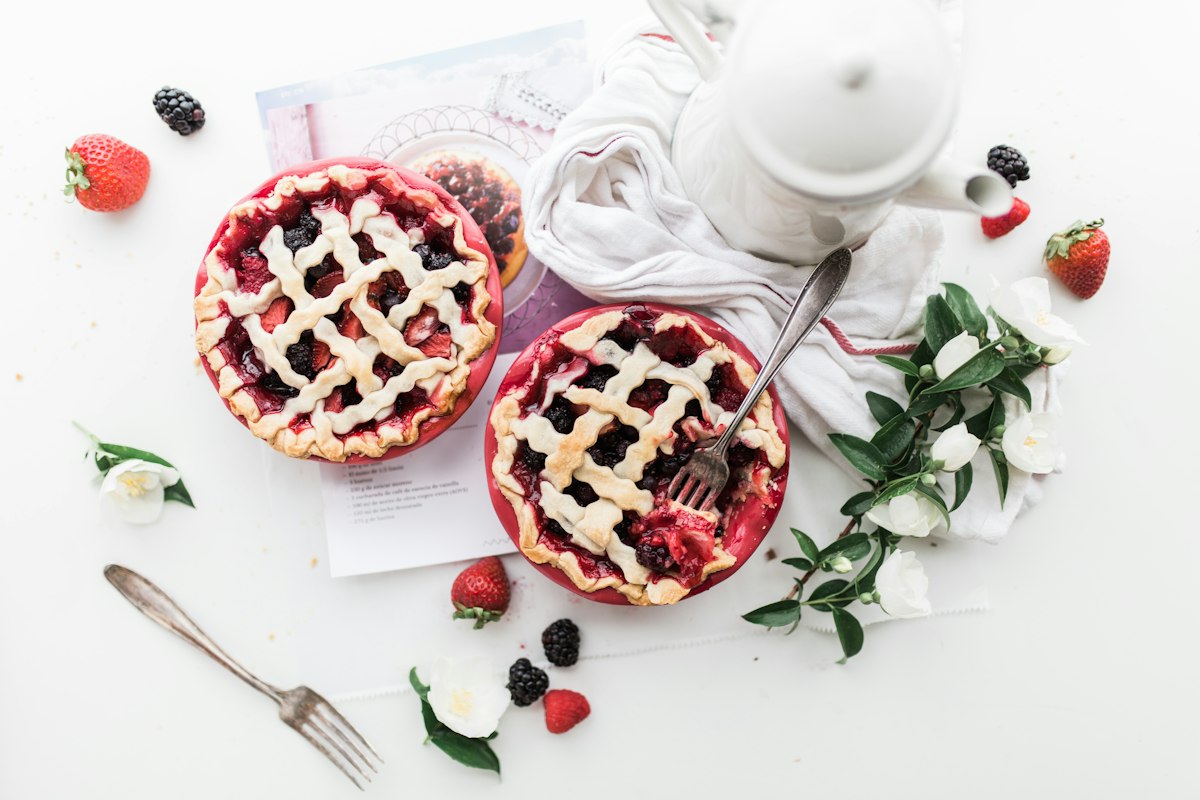
Vegan baking has a reputation for being tricky, and it is true that you cannot just remove the eggs and butter and hope for the best. But once you understand what each ingredient actually does in a recipe, baking without animal products becomes not just possible but genuinely reliable. This guide covers the key substitutions, the techniques that make them work, and the small adjustments that take vegan baking from good to indistinguishable from the original.
Understanding what eggs do
Eggs are not one ingredient, they are several. They bind, they leaven, they add moisture, they add fat, and they add structure. The trick is to figure out which job the egg is doing in a given recipe and replace that function. In a muffin, the egg is mostly binding and adding moisture. In a cake, it is also helping with lift and structure. In a cookie, it binds and adds chew.
The best egg replacers
For most everyday baking, a flax egg or chia egg works beautifully. Mix one tablespoon of ground flaxseed with three tablespoons of water, let it sit for five minutes, and you have a binder for one egg. For lighter cakes, aquafaba, the liquid from a can of chickpeas, is remarkable. Three tablespoons of aquafaba replace one egg, and it can even be whipped into meringue. Silken tofu blended smooth adds moisture and structure to brownies and dense cakes. For cookies, a tablespoon of cornstarch or a commercial egg replacer gives the right chew.
Replacing dairy milk
Plant milks swap one for one in almost every recipe. Soy and oat milk are the most neutral and behave closest to dairy milk. Coconut milk adds richness and a slight flavour that suits tropical bakes. Almond milk is fine but lower in fat, so add a teaspoon of oil if a recipe needs richness. For buttermilk, add a teaspoon of lemon juice or apple cider vinegar to a cup of plant milk and let it sit for five minutes. This is the secret to tender, fluffy vegan cakes and scones.
Replacing butter
Vegan block butters are the easiest swap and work in cookies, cakes, and frostings almost identically to dairy butter. For a whole-food approach, coconut oil works in cookies and brownies, and neutral oil works in cakes. Avocado can replace butter in chocolate bakes, adding creaminess without any taste. Nut butters add flavour and fat, perfect in cookies and bars.
The techniques that matter
Creaming fat and sugar properly is even more important in vegan baking, because you are relying on that aeration. Beat vegan butter and sugar for a full two to three minutes until pale and fluffy. Do not overmix once you add flour, or gluten develops and your bake gets tough. Let cakes cool fully before frosting, vegan frostings are softer and melt fast on warm cake. And always preheat your oven, a cold start ruins the lift that your egg replacer worked to give you.
A few recipes to start with
A vegan chocolate cake is the perfect first bake because cocoa masks any off-notes from egg replacers, and oil-based vegan chocolate cakes are genuinely the best chocolate cakes many people have ever had. Oatmeal raisin cookies made with flax eggs are forgiving and delicious. Banana bread is naturally close to vegan and just needs a swap of milk and butter. Once you have these three in your repertoire, you will trust the method and start adapting any recipe you find.
The real secret of vegan baking is that it is not a compromise, it is a different set of tools. Once you know what each tool does, you can bake anything. Our Vegan Desserts cookbook was built around exactly these techniques, so if you want foolproof recipes that already have the egg and dairy worked out for you, that is the place to start.


