Sustainable Living: Beyond the Plate
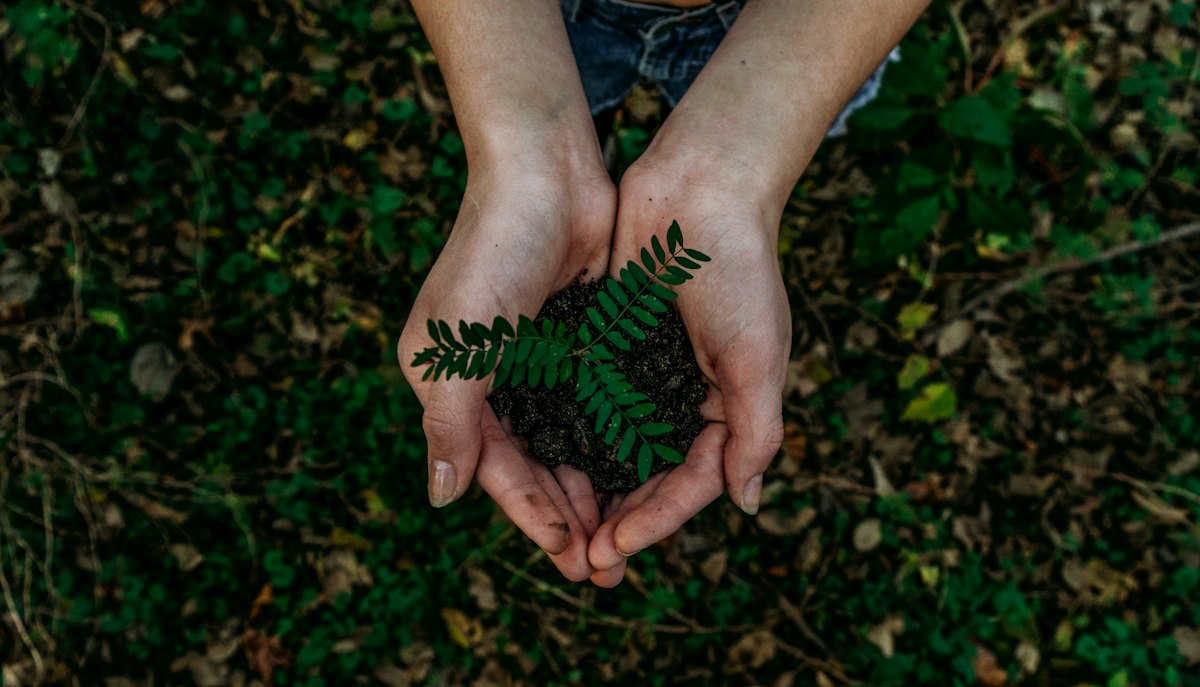
Going vegan is one of the single most effective things an individual can do to reduce their environmental impact, but it is not the whole story. A truly sustainable lifestyle looks at everything you consume, from the food on your plate to the clothes on your back, the products in your bathroom, and the energy that powers your home. The good news is that the same mindset that makes someone choose plants, a willingness to question the default and pick the kinder option, applies everywhere. Here is how to extend that thinking beyond the kitchen.
Why food is just the start
Animal agriculture is a leading driver of deforestation, water pollution, and greenhouse gas emissions. Cutting it out is huge. But the average person's carbon footprint is also shaped by how they travel, what they buy, how much they throw away, and how they power their home. A sustainable lifestyle stacks these choices. You do not have to do everything at once, you just keep finding the next lever to pull.
Low-waste kitchen habits
Even a vegan kitchen can generate a lot of waste. A few habits make a real difference. Buy dry goods in bulk and store them in jars. Keep vegetable scraps in a bag in the freezer and turn them into stock. Compost whatever you cannot eat, either at home or through a local scheme. Plan meals so you buy what you will actually use. These small moves cut food waste, which is itself a major contributor to emissions.
Eco-friendly household products
Most conventional cleaning products come in single-use plastic and contain harsh chemicals. Swapping to concentrated refills, tablets, and bulk options reduces both waste and chemical load. Simple ingredients like vinegar, baking soda, and castile soap handle most cleaning jobs. Choosing reusable cloths over paper towels and refillable bottles over disposable ones keeps a surprising amount of plastic out of the bin each year.
Ethical and sustainable fashion
Fashion is one of the most polluting industries on earth. The most sustainable garment is the one already in your closet, so wearing, repairing, and reusing what you have comes first. When you do buy, look for natural or recycled fibres, certified ethical production, and brands that publish their supply chain. Second-hand and vintage are genuinely stylish and keep clothes out of landfill. Avoid leather, wool, and fur not only for the animals but because of the heavy environmental cost of processing them.
Bathroom and personal care
The bathroom is a hotspot for plastic and animal ingredients. Solid shampoo and conditioner bars, refillable deodorants, bamboo toothbrushes, and safety razors all cut waste dramatically. Check labels for animal-derived ingredients like beeswax, lanolin, and carmine, and look for cruelty-free certification. Many vegan brands now offer refill systems, so you buy the nice bottle once and refill it forever.
Energy, transport, and home
How you move and power your life matters as much as what you eat. Walk, cycle, or take public transport where you can. If you drive, consider an electric vehicle when it is time to replace your car. Switch to a renewable energy tariff, or look into solar if you own your home. Insulate, draught-proof, and turn things off. These are not glamorous changes, but they are where the biggest emissions savings often hide.
The mindset that ties it together
Sustainability is not about guilt or perfection. It is about paying attention and making the better choice when you can. Some changes save money, some save time, and almost all of them feel good once they become habit. The punk spirit at the heart of Punk Ass Vegan is exactly this, question the default, refuse the destructive option, and build something kinder. Every swap beyond the plate is another small act of rebellion for a planet that desperately needs it.


